A public health alert issued by the New Mexico Department of Health on Jan. 27 urged anyone who consumed wildlife from Holloman Lake, near Alamogordo, NM, between 2010 and 2024, to consult with their doctor or a medical professional. Animals and plants near the lake, which covers roughly 1,000 surface acres downstream from the Holloman Air Force Base water treatment plant, have extremely high levels of per and poly-fluoroalkyl substances (PFAS)—so-called forever chemicals.
“The levels of PFAS contamination in Holloman Lake are deeply concerning, particularly for hunters who may have consumed waterfowl from the area over the past decade,” said Dr. Miranda Durham, medical director for New Mexico Department of Health. “PFAS exposure has been linked to serious health problems, and we encourage anyone who has consumed game from this region and has concerns to talk to their healthcare provider.”

A study [PDF] conducted by DBS&A for the New Mexico Environment Department, released on Jan. 7, put the level of contamination into perspective. It states, “Two Merriam’s kangaroo rats collected in 2024 exhibited liver PFOS concentrations of 120,000 ng/g and 110,000 ng/g, respectively. Based on published studies, these concentrations are the highest reported in any wild animals to date, other than a wood mouse (Apodemus sylvaticus) liver sample near a fluorochemical plant in Belgium (Hoff et al., 2004). One saltcedar composite tissue sample from Holloman Lake was also found to have a PFOS concentration of 30,000 ng/g, an apparent world record for plants.”
Results of research conducted in 2024 by the University of New Mexico’s Museum of Southwestern Biology (UNMMSB), found that of the 23 birds and mammal species it tested near the lake PFAS concentration was in the tens-of-thousand parts per million. The study points out thousands of dairy cows near Clovis, N.M., were destroyed recently when their milk was discovered to have a level higher than 6 parts per billion.
“Because these large wetlands are the only ones in the region, they are immensely attractive to wildlife,” said UNMMSB director and professor of biology Christopher Witt. “Holloman is one of the three most important wetlands in New Mexico for migratory waterbirds—over 100 species and tens of thousands of individuals use these habitats annually.”
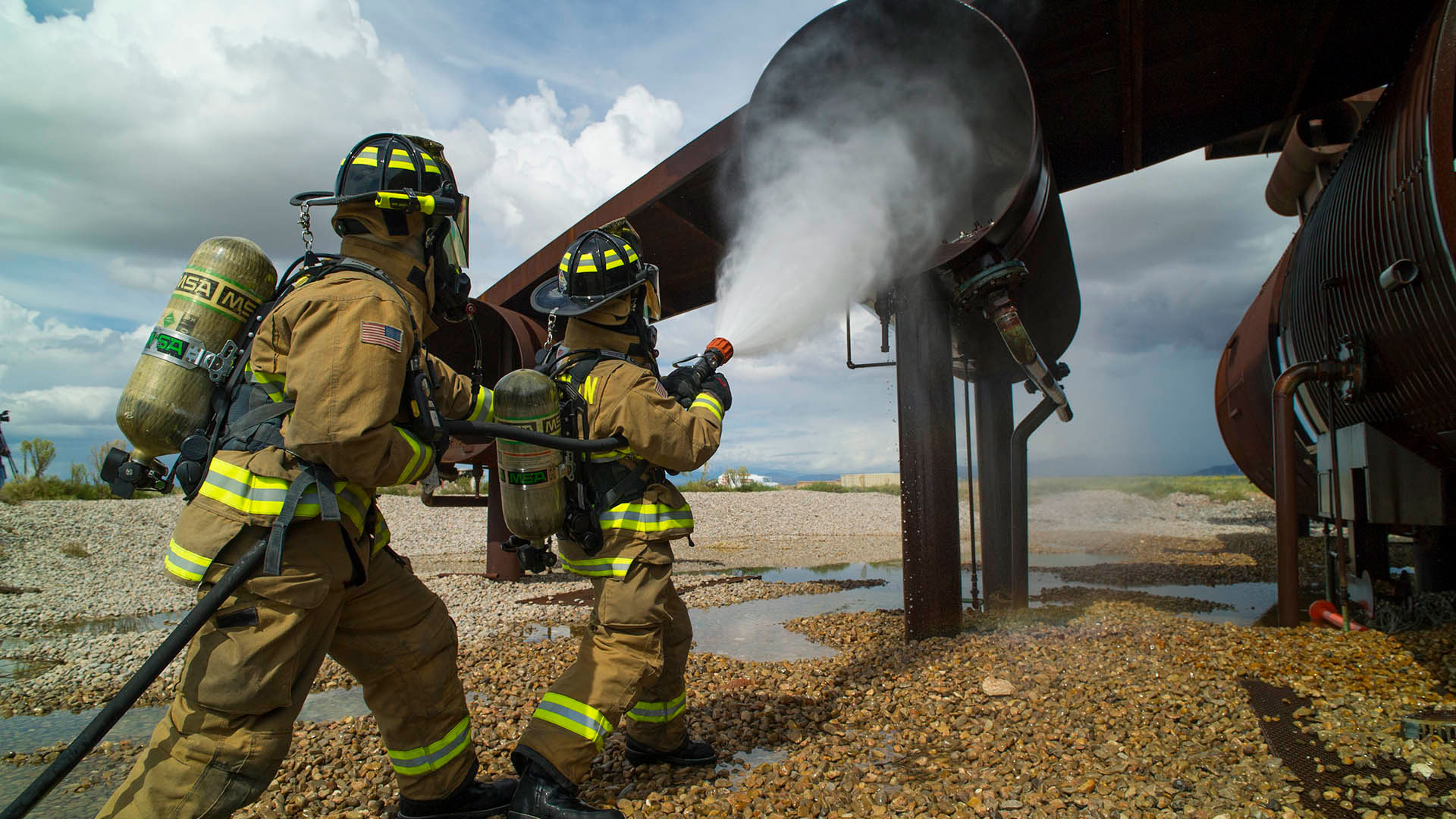
The major sources of the contamination in the Holloman Lake area, according to both reports, is fire-fighting foam used in the 1970s. The Air Force subsequently phased out use of the material, but the PFAS family of chemicals—known to cause cancer, along with reproductive, endocrine, immunity, development and other human health problems—includes more than 10,000 members. Most non-stick surfaces are related. They bond to animal protein and get their “forever” nickname because they can thousands of years.
“Hunting is popular at Holloman Lake as well as in the surrounding region,” the UNMMSB report states. “…consuming wild game from the site could be harmful. Based on the average PFAS concentrations found in duck meat from the site, it would never be advisable to consume as much as a single gram (for comparison, a U.S. penny weighs 2.5 grams).”
Researchers are beginning research to determine how much of the contamination has spread through the food chain to the area’s big game this year. The Environmental Protection Agency has more information about PFAS and potential health effects here.
Holloman Air Force base was established in 1942 during World War II. Roughly 15 years ago the site became open to the public for recreation use, including camping, hiking, birding and more. Hunting curtailed in 2024, after the high levels of contamination were identified.