Hammer-Forged Barrels

by
posted on May 8, 2014
** When you buy products through the links on our site, we may earn a commission that supports NRA's mission to protect, preserve and defend the Second Amendment. **
qa_ah2015_fs.jpg (39)

undefinedQ: The guy at my gun shop told me the barrel on the rifle I was looking at was “cold hammer-forged.” What does this mean?

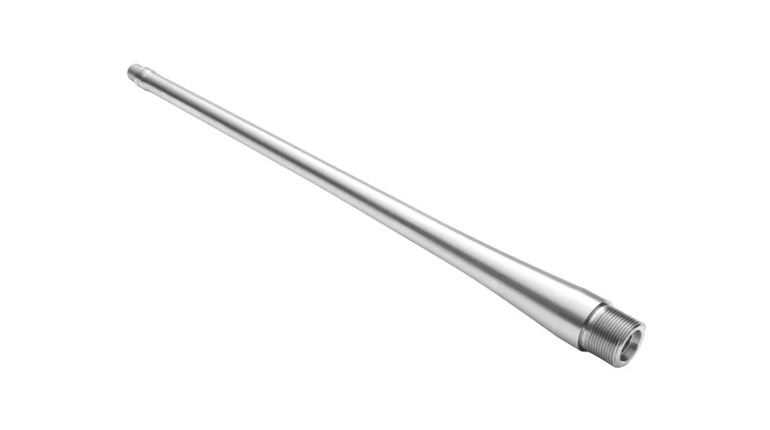
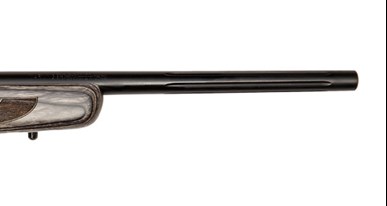
A: Hammer forging is an ultra-modern method of rifling a gun barrel that is well suited to high-volume production by large manufacturers such as government arsenals and commercial corporations that can afford the sophisticated machinery. This method begins with a metal barrel blank about 12 inches long and 2 inches in diameter with hole in its center honed to a fine finish. A tungsten-carbide mandrel with the pattern of the rifling lands and grooves machined into its surface in reverse relief is then inserted into the hole of the blank. A forging machine with a series of radially opposed hammers is then used to compress to the blank inward against the mandrel. As the hammers compress the outer surface, the blank is reduced in diameter and lengthened, simultaneously creating the bore and rifling. If needed, hammer forging can form the chamber and throat, as well as a fully profiled outer surface. The spiral tracks of the hammers can often been seen on the outer surface of hammer-forged barrels. Some manufacturers turn the barrels to remove this surface, while others leave it in place.

Barrel blanks may be hammer forged cold or hot. Hot hammer forging reduces the amount of effort that the hammers must exert on the blank and can result in better grain structure and improved strength. However, hot hammer forging is more expensive and requires more sophisticated machinery. The cold hammer-forging process produces barrels of excellent quality.

Latest

Tick On Grass
Tick On Grass

Trump Wants to Make the Outdoors Safe Again

President Trump is attempting to reduce mosquito and tick-carried diseases, including the alpha-gal syndrome (AGS), a tick-carried molecule linked to a potentially serious human allergy to red meat and other mammalian products. (AGS is primarily transmitted from bites from the lone star tick (Amblyomma americanum) in the U.S.)

Elk Tactics: It’s Not All About the Bugles

It’s hard not to return the bugle of a bull in the wild. But the author is convinced tactics he uses with calling help seal the deal on public land.

Savage Arms Donates Five 250th Anniversary Rifles to IHEA-USA

Savage Arms has donated five Axis 2 Pro 250th Edition rifles to the International Hunter Education Association–USA (IHEA-USA) in recognition of the 250th anniversary of American independence. Only 60 of the rifles were produced.

5 Things I Wish Someone Had Told Me Before My First Elk Hunt

I grew up hunting whitetails in the Midwest, and while I thought I was in “elk shape” on my first western hunt, I quickly learned that chasing elk at high elevation requires an entirely different level of fitness. You’ll likely hike for hours, oftentimes at high elevation, and many of trails you’ll follow are filled with deadfall and uneven rocks. If you’re fortunate enough to fill your tag, the real work starts. 

Ruger Halts Production of Several Models

On Oct. 13 Ruger issued a memo to distributors informing them that after an exhaustive internal review of its product portfolio—that weighed demand, manufacturing expense and complexity—production of four revolvers has been halted. Pending orders were cancelled. 

Head to Head: The 6.5 PRC vs. the 7mm PRC

Hornady's Precision Rifle Cartridge series has been a hit among hunters and target shooters alike, and within the lineup, the 6.5 PRC and the 7mm PRC have proven to be extremely popular. Let’s take a closer look into what makes this pair tick, and which might make the best choice for you.

Interests


Get the best of American Hunter delivered to your inbox.