During the 2004 season alone, I encountered two very big bucks that got away. One was in Iowa, the other was in Louisiana; both would have been among the biggest killed in their respective states that year. It pains me to mention this, but both were within 25 yards when they drained through my fingers like water through a sieve. In the rest of my life, I may never have two opportunities like these again. They were really big.
You come away from events like these asking yourself hard questions and doing some serious soul-searching. When someone says, “That’s bowhunting,” it doesn’t make you feel one tiny bit better. If I had been more aggressive in my shot selection, I would have killed both deer. That may be a bit controversial and I need to explain myself fully, so please read this entire argument.
Take the Shot
The problem was not my ability to make the shots. These deer were close and hitting them where I aimed would have been no sweat, despite the openings. The problem was in my mental approach. I had fallen victim to a default mentality about bowhunting that most of us share. I know this to be fact because when I related my stories to many bowhunters since the season ended, they all said they would have done just what I did. Well, that didn’t work, so it is time to rethink.
I was passive in both encounters. I wasn’t aggressively searching for the first good shot. I was waiting for the best shot that was likely to occur rather than taking the first shot I knew I could make. This is a fine point, but the most important one I am going to try to make in this article. If you missed it the first time through, please go back and read the last few sentences until this soaks in. Understanding the difference between the first good shot and the hoped-for perfect shot is very important and is the key to preventing my disappointment from becoming yours.
Defining the First Good Shot
We have all heard that we should take the first good shot. It is easy to agree with that statement, but we don’t go the next important step of actually deciding what constitutes a good shot for each of us. In many cases, we let someone else make that decision for us through the advice we get as beginners. Defining a good shot is not something you should do just once and then forget about. Your abilities, judgment and composure all improve with time so your definition of a good shot should also evolve. This is not pushing the envelope of ethics; it is merely taking advantage of your personal improvement.
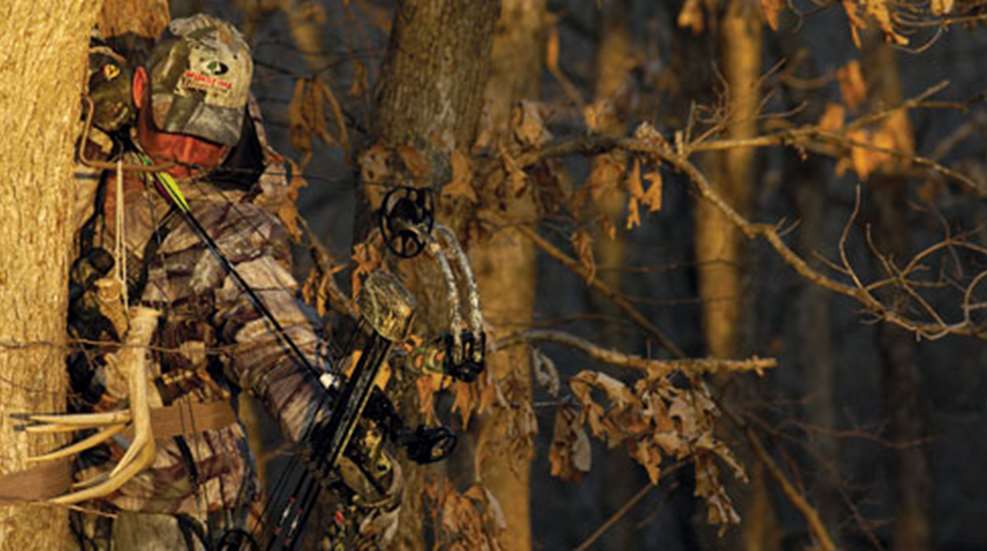
I hope that I can make this a bit clearer with an example. Suppose a buck is cruising by your stand on a trail and he pauses for a few seconds in a 2-foot wide opening at 25 yards. He is headed toward your shooting lane, a 5-foot wide opening farther down the trail where he’ll be just 15 yards away. Do you take the shot at 25 yards or wait for him to reach the wider opening?
If you are honest, you will probably say that you would wait for the easiest shot because it is very likely to occur. I would have agreed with you before the 2004 season. I would have waited. Now I would take the 25-yard shot without a moment of hesitation. Beginning bowhunters should rightfully wait for the easiest shot that is likely to occur. But for an experienced bowhunter, that can be a mistake. Once you get some experience, the first good shot is not always the same as a perfect shot.
What is a Good Shot?
I’m not advocating that you take risky shots. I am urging you to take the first good killing shot you know (not hope) you can make even if it appears that a better one is likely to come soon. Don’t wait for perfect when good enough is right at hand.It is also easy to lock up and become more conservative than normal when dealing with a big animal. That is another situation where you have to remind yourself to stay aggressive. It is easy to change gears because the last thing you want to do is screw up (that thought actually crossed my mind more than once when the big Iowa buck was approaching). Instead of acting aggressively and making the shot, you end up being careful to a fault and you miss the first good opportunity.
The Final Analysis
When game is within range, the bomb is ticking. Every second that you don’t shoot brings you one second closer to the moment when the animal breaks your heart. The buck might wind you, or change directions whimsically or a doe might grab his attention causing him to pick up his pace … you never know. So control what you can. Take the first good shot. When the day comes, don’t wait for the very best possible shot. Take the first one you know you can make and you will be happy that you did.