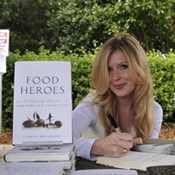
 Photos By Georgia Pellegrini
Georgia is a chef, author, and hunter who has worked at some of the country’s best restaurants. She is the author of the critically acclaimed book"Food Heroes,"and the upcoming book "Girl Hunter." She blogs about her travels at GeorgiaPellegrini.com.
------------------------
I spend much of my time traveling over field and stream in search of the main course. Game meat is the most natural thing that humans can eat. It is harder to cook than farm-raised meat because it is leaner and more muscular, but with a bit of effort the end result is food that tastes so much better than anything you can get at your local supermarket.
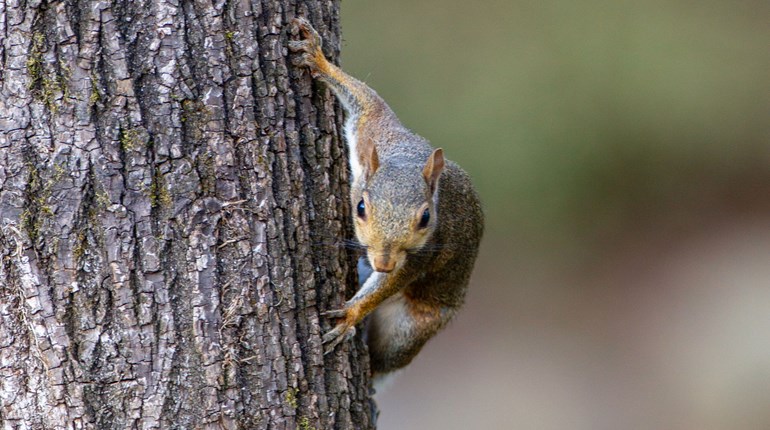
Most people who hunt for their food have a favorite dish or a favorite game meat. Some tell me they think that squirrel is the best meat in the woods, others say there is nothing like a whole roasted hog. And then there is venison, which seems to be a universal crowd-pleaser.
The key to delicious venison is aging it properly. Just like a good 12-ounce T-bone at the best steak house in town, venison needs a lot of hang time. The “gameyness” and “chewyness” disappear when you age. Although venison has less fat than beef, it has the same basic enzymes and lactic acid. So the aging process is very much the same as it is with beef.
How to Age Venison
Properly aging a deer begins as soon as you have made a clean shot. The entrails have to be removed impeccably and the chest cavity cleaned and kept dry. Hang the deer from the rear legs, high enough to avoid touching the ground, and remove the hide.
During this time, the muscles will go into rigor mortis, a stiffening which lasts about 24 hours. Butchering or cooking during this time is a very bad idea because the muscles will contract and become irreversibly tough. The same is also true for fish. In fact, a piece of fish can be too fresh. If it hits the pan before it goes into rigor mortis, the cell walls tear, forming the white albumin that you sometimes see emerging from a piece of salmon. Most importantly, the flavor and texture suffer.
Once rigor mortis is complete, hang the deer at a temperature above freezing and below about 40 degrees. This holds bacteria and rot at bay, allowing natural enzymes to do their work.
The enzymes break down collagen—the stuff that the ladies of Orange County use to puff up their lips. It is also what causes meat to be tough. Young animals have very little of it between their muscle cells, but as an animal gets older, more develops. Natural enzymes break down this collagen as the meat ages, so the longer it hangs, the more tender it becomes. That is why an aged steak is so expensive—it takes extra time and energy, which cost money. Your supermarket beef may only age a few days, which means it usually falls short of its full flavor potential.
At 40 degrees F, seven days of aging is usually sufficient, but for larger deer longer is better. I usually age deer up to seventeen days. If you don’t have a cool basement or walk-in cooler to age your meat, you can home-age your venison in the refrigerator. Skin the quarters and bone-out the other large sections of meat once the deer has come through rigor mortis. These will fit in the average refrigerator. Once the aging is complete you can then break the meat down further, into rounds, tenderloins, loins, ribs, stew meat, shoulder, ground meat, sausage, etc.
How to Braise
Braising is a technique that is used with what professional cooks call “third category” cuts of meat. These are the cuts that are high in muscle tissue and benefit from slow cooking at a low temperature in a bit of liquid and aromatics. Over time, the cooking breaks down the muscle tissue further than the aging did, and the meat becomes buttery and tender. All of this cooking is usually preceded by a marinade, yet another tenderizing technique. It seems like a lot of tenderizing but the results are worth it. Here is my favorite recipe for braised venison. Pair it with a bottle of good Cabernet and enjoy!
“Braised Venison Shoulder”
(Serves 4)
For the Marinade:
1 Bottle Dry Red Wine
2/3cup Red Wine Vinegar
1 Carrot
1 Onions
1 Stalk Celery
1 Clove Garlic
1 Whole Clove
2 Bay Leaves
Sprig of Thyme
Parsley Stems
8 Peppercorns
Oil
For Braising
4 Small or 2 Large Venison Shoulders
Olive oil
3 cups Veal or Beef Stock
1 cup Onions, diced
1 cup Carrots, diced
4 Garlic Cloves
1 cup Ripe Tomatoes, diced
1/2 cup Celery, diced
1 1/2 cup Red Wine
2 Sprigs Thyme
2 Bay Leaves
2 Cloves
Salt & Pepper
For the Marinade
1. Heat oil in a heavy pan and sweat the vegetables. Add wine, vinegar and
remaining aromatic ingredients and simmer slowly for 30 minutes.
2. Cool thoroughly and pour over venison. Let soak for several hours.
For the Venison Braise
1. Remove shoulders from marinade and pat dry.
2. Heat roasting panand add olive oil. Add venison shoulders and sauté on all sides until
nicely browned. Remove and set aside.
3. Add onions, carrots, garlic cloves and celery to pan and cook untilwell browned. Drain
any greaseand add the herbs.
4. Add wine and deglaze thelittle caramelized brown bits at the bottom of your pan, scraping
them with a wooden spoon.Add stock and tomatoes and a little salt and pepper. Return
venison shoulders to the liquid.
5. Tightly cover roasting pan with tin foiland place in a 300–325 degree oven to braise for
approximately 2 ½ hours.
6. When shoulders are tender, remove theroasting panfrom the oven. Remove the lid and let
shoulders rest for 10 minutes.
7. Carefully degrease cooking liquid by skimming the fat off the top with a ladle.
8. Remove shoulders from the pot and set aside in a warm place, covered. Strain the braising liquid through a fine mesh sieve. You can reduce some of this liquid in a separate sauce pan until it is thick, and pour it over your venison to serve.