This has been a hot topic for discussion since before Fred Bear popularized bowhunting as a sport. Which is best: a (lower probability) heart shot or a (higher probability) lung shot? There is no question that both are lethal. A modern broadhead that is shot through either of these organs will kill a deer. However, the question is not which is more deadly, the question is which is best. And to be the best shot, the percentage of recovered animals must be considered.
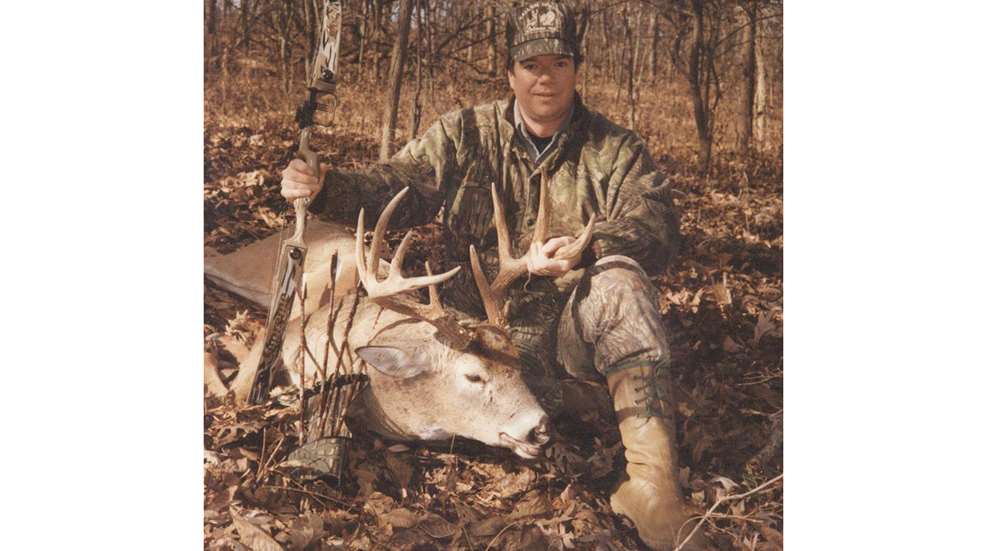
Before we continue to look at this subject, let me give you a little background to validate my upcoming opinions. First, I have been bowhunting since 1972—I have taken several deer with archery gear since then. I started with a recurve bow, but have evolved with the technology to the more efficient compound bows. I have hit deer with good shots and have made some less-than-idea hits as well.
I was also in charge of Nuclear Cardiology at Blessing Hospital in Quincy. My education and experience in this field gives me extensive knowledge of the heart and lungs and how these organs respond to trauma. Cardiovascular anatomy and physiology play a large role in my decisions on shot placement.
With those two sets of background experience combined and considered, I would advise all bowhunters that an arrow through both lungs is a better shot than through the heart. Both are deadly, but a double-lung shot will definitely increase your chances of recovering that deer.
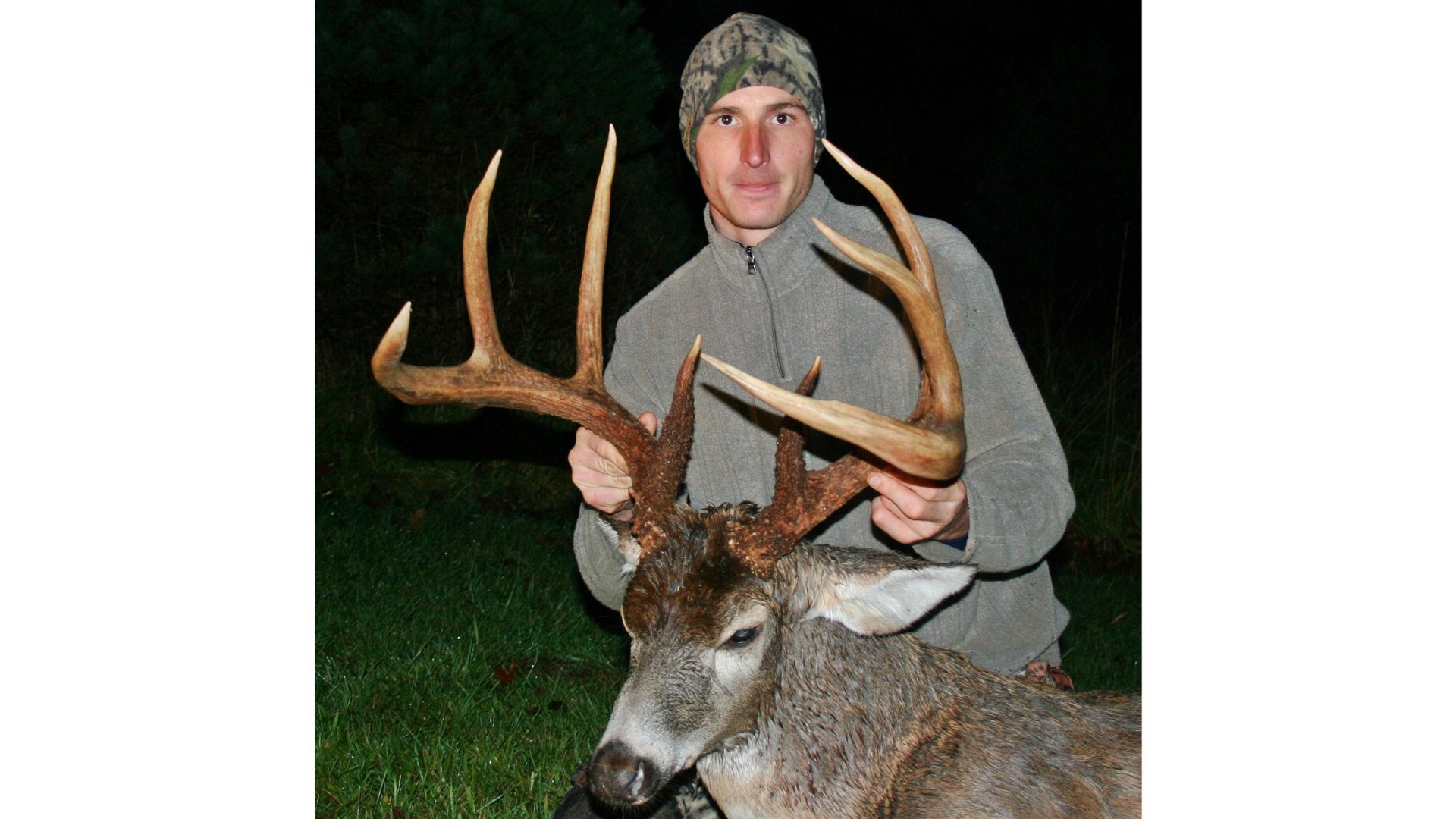
Heart vs. Lungs
Here are the two best reasons why I recommend a lung shot over a heart shot; first is the size of the target. The lungs present a much larger target area than the heart. For a small handful of bowhunters, that is not a problem. For the vast majority of us, the bigger the target, the better chance we have of hitting it. Not to mention, the heart sits low in the chest and is protected by the shoulder blades, making it a harder shot in general. The lungs have little protection, except for ribs that virtually any broadhead will zip right through. However, the main reason to take a lung shot, as opposed to a heart shot, is what happens inside the animal after the trauma of a broadhead hit.
Any animal’s body is designed to keep the brain supplied with blood, no matter what. Therefore, when the heart sustains a traumatic event, like being shot, the body tells the heart, the blood pump, to shut-down. This metabolic reaction is an attempt for the body to preserve the blood supply to the brain. It means with a heart shot, the body may shut-down the pump, thus no blood is being pumped out of the wound either, making for a very difficult blood trail to follow.
In a double-lung shot the opposite happens. When the lungs experience the trauma of a broadhead hit and begin to bleed profusely, the animal’s blood pressure drops rapidly. In an attempt to compensate for this drop in blood pressure and to keep an adequate supply of blood to the brain, the heart pumps faster. As the deer’s heart rate increases, more blood is pumped and the animal bleeds freely from its wounds, giving you the optimum blood trail to follow.
So next time you draw your bow and look through your sites at a deer, be sure to make your best shot. And remember, that best shot is through the lungs.