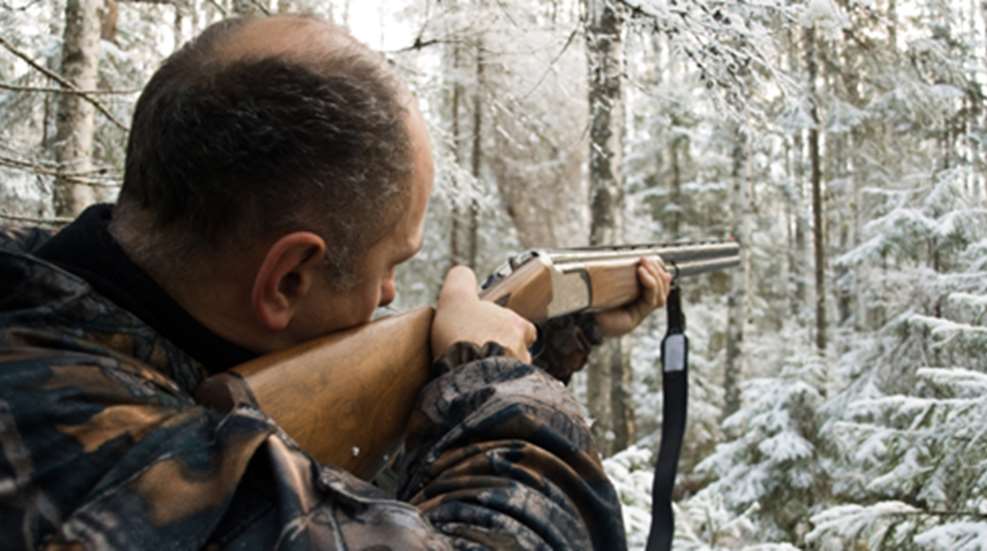
I have to admit, while the challenge of hunting deer, turkeys and increasingly waterfowl is what keeps my mind calculating and my excitement level high throughout the year, there is something about scoring on a brace of squirrels that is just totally enjoyable. They’re sort of like catching panfish—they are typically abundant, fun to get and if one gets away—so what—you shrug it off and wait on another. With so many squirrels scrambling about our nation’s forests, seasons that stretch well into the latest winter days in many places provide the perfect antidote for the stressed-out big-game hunter whose seasons are done or for the merely hunt-deprived sportsman looking for an excuse to escape outside. With a relatively mild winter this year, many squirrels have ignored their tendency to hibernate in the deep chill and are still scurrying about, offering great shot—and dining—opportunities.
The Woods Setup
Squirrels are creatures of the forest, preferably hardwoods, though the expanses of pine forests ranging across much of the Southeast still possess a hardy population of squirrels that focus on the hardwood creek bottoms and property lines that interlace the pine plantations. For my time and money, however, I prefer to focus on pockets of hardwoods where, even into February, squirrels are digging through leaves in search of remnant oaks and other nuts that provide sustenance in the cold winter months. Scan the trees for a colony of big, brushy squirrel nests or dying trees with hollow holes and split limbs that provide cavities for the tree rats to shelter up in the evenings.
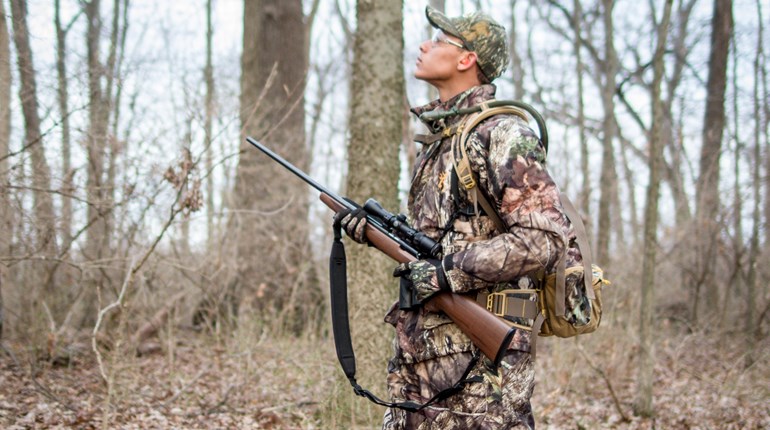
Identify several likely areas, and slip in to the one that offers what you think will be your best opportunity for sightings at first light. As soon as the sky begins to brighten, squirrels will slip from cover, the initial telltale sign to the hunter being the sound of scurrying claws on tree bark. A scoped .22 and the ability to deliver tack-driving accuracy out to at least 50 yards is the optimal tool here. Set up with your back to the sun so it won’t blind you as it rises, and so squirrels will be sky lit as they move about the higher tree limbs and trunks. Obviously no need to worry about controlling scent here, but I do prefer to camo up in order to help blend in, and I almost always brush the leaves clear of the ground where I’m sitting so I can move to make a shot when necessary. Noise can be the biggest enemy of the squirrel hunter.
If possible, I’ll wait until I have two or three chasing each other on a limb or along the open trunk of a tree before I shoot. Many times, squirrels will freeze upon hearing the first shot for just a minute, so if you nail your first target, quickly transition to the second and take aim. Once squirrels make it to cover or flatten themselves on a limb from the ruckus, it will take about 20 minutes of silence before they will begin moving again. If you’ve been seeing plenty of activity, stick it out for another set or two, but if you’ve shot several times and feel like the local gray squirrels are getting wary, ease off to another one of your identified spots and set up for another round of action.
The Field Setup
Late in winter, particularly in areas with lots of pines, squirrels will focus their foraging efforts on crop fields where waste grains such as corn, soybeans and especially peanuts—they’re a favorite—litter the ground from the autumn harvest. In areas that receive infrequent, generally light snows, the open areas of fields are also the first to melt under the sun adding a double draw for hungry squirrels. Conceal yourself along the edge, bring along shooting sticks to provide a solid rest and wait for squirrels to amble into the open and feed. This will be a bit like shooting horizontally moving prairie dogs—instead of popping up from a hole in the ground, they’ll pop out of the woods line and run into the field. Catch several in the open and be fast on the aim and trigger to quickly fill your bag limit. Don’t retrieve squirrels right away, as the added commotion will shut down your hunting in that spot. Leave dead ones for a bit and sit tight to see if others will scamper back from the woods.
Stalk and Call
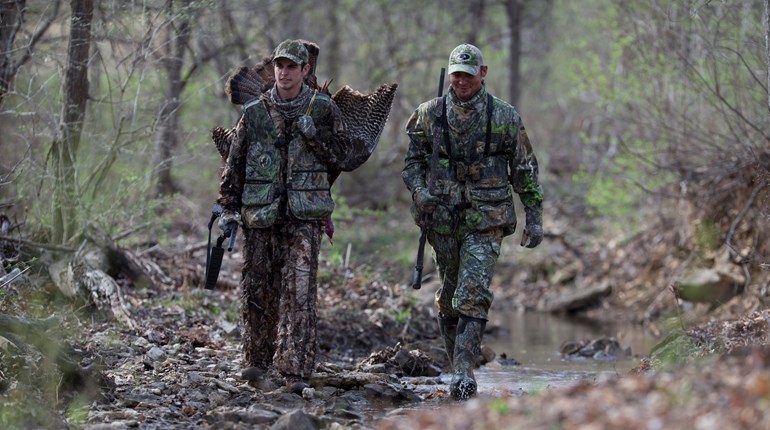
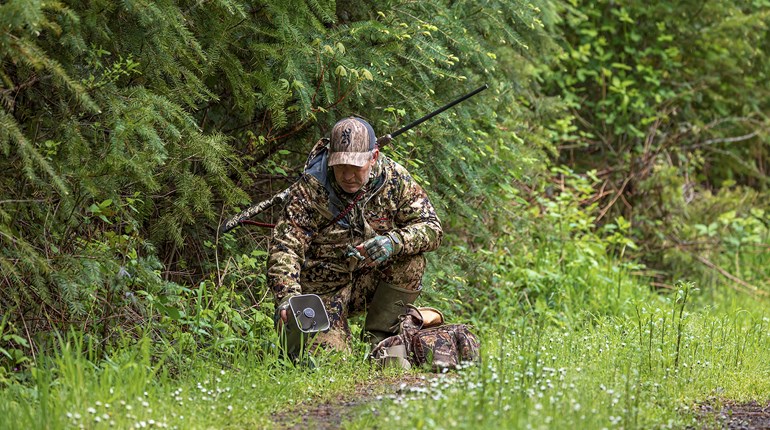
Whether stalking a field edge or moving into a spot in deep woods, a squirrel call that allows you to make both warning barks and squealing sounds can be the perfect tool for getting a squirrel to audibly expose its location. While these calls can work better for the stalking hunter during the early season when there is still ample leaf cover to keep a human hidden, the late-season hunter should still give it a try. Using a shallow creek or well-worn logging path or trail to walk along allows for more silent travel and will help you move in pretty close to squirrels digging and running on the ground. Slip quietly into a new area, stop in the shadows or concealed by a large tree trunk and slap some cut limbs on the ground and against your leg while squealing like a squirrel being attacked by a hawk or owl. Leafy limbs from trees that haven’t dropped all of them by this time of season will work best.
The commotion will bring squirrels scrambling among the limbs and throwing warning barks throughout the forest. Squirrels that may have been out of sight because they were feeding on the ground will dash up the nearest tree trunk exposing themselves. Identify where the closest animal is, and if you can’t make the shot from where you are, let them settle down, slip closer and, if necessary, bark to get the one you’re after to respond. The bark may bring the squirrel back out of its nest for a shot or give away where one already is on an open limb.
At this time of year, a call really works best for the hunter who slips into a likely squirrel forage or nesting area, sets up quietly and then barks or squeals to get nearby squirrels to expose themselves. If you’re not seeing anything, getting the animals to betray their location by calling can be an eye opener and might give you an idea of where you need to be set up.